

by Lori Morrow
The Capital Improvement Programs (CIP) team provided a presentation on Enrollment and Facility Utilization at the Prince George’s County Public Schools Board of Education meeting on May 10, 2018. The slides provided an overview of projected K-12 enrollment over the next ten years, including a breakdown by elementary, middle, and high school levels. The presentation also included maps highlighting the over- and underutilization of school facilities and challenges associated with each. (Video of the presentation here.)
Here are a few highlights of the presentation:
- The overall PGCPS K-12 enrollment has grown by 6,000 students since 2010 and is expected to increase by 8,000 students over the next ten years. Enrollment projections are established using the Cohort Survival Methodology that uses three inputs: births; historical ratio of students progressing from one grade to the next; and development in the area that includes typical “pupil yield” from each housing type.
- Overutilized facilities (operating above the state-rated capacity) are heavily concentrated inside the beltway north of Central Avenue, while there are more underutilized facilities south of Central Avenue.
- PGCPS currently has 542 portable classroom units, or “temps.” Some school sites do not have space for any additional units. Forty percent of the portables are 25+ years old and have exceeded their standard life cycle. PGCPS is planning to purchase 25 new units, at an installed cost of $95,000 each. This is the first PGCPS purchase of new portables in over ten years.
- The top three projects on the CIP list (International HS at Langley Park, William Wirt MS, and a new Adelphi Area MS) could take 4-5 years to complete based on historical funding for capital projects, which does not provide immediate relief to those areas. In general, boundary changes and programmatic changes (like adding the Aerospace and Aviation program at Duval HS) are quicker solutions to addressing overutilization than building new facilities.
- CIP Director Shawn Matlock presented information about a new CIP delivery method, designed to allow the completion of more facilities in a shorter amount of time. The plan would use alternative financing methods including Public-Private Partnerships (P3). The private entity would build the facility and maintain the building over a 25-year period. This method could be used for five to seven facilities (not yet fully identified). (Video link here.)
- Under the new CIP delivery method, some facilities would receive “staged renovations” using only local PGCPS/county funds. This could speed up the process by eliminating state involvement. The list of “Cycle 1” schools recommended for modernization, staged renovation, or new schools is included in the FY 2019 Amendments to the 2017 Educational Facilities Master Plan.
- CIP staff explained the difference between overutilization (facilities that exceed State Rated Capacity) and overcrowded classrooms. Overcrowded classrooms can also occur due to underutilization, where the number of students does not justify funding through the Student-Based Budgeting to support additional staff even though classroom space may be available. This can be especially challenging at smaller schools.
- CIP staff and CEO Kevin Maxwell explained some of the challenges in shifting a large number of boundaries southward to balance the northern overutilization. In addition to potentially increasing transportation costs as students are moved further from neighborhoods, shifting boundaries is not always supported by the will of the communities involved.
The FY 2019 Amendments to the 2017 Educational Facilities Master Plan passed as a first reader at the May 10 meeting and is expected to return to the agenda on the June 7 meeting for action as a second reader. The document elaborates on many of the topics discussed and includes lists of schools in the first EFMP cycle. In addition, it identifies 18 planning areas recommended for possible boundary changes or school consolidation. Community engagement and forums are expected to start as early as the summer and continue throughout the fall/early winter.
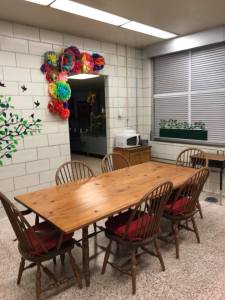 After we developed our plan, we scoured CraigsList, FreeCycle, Facebook Market Place, thrift shops, and worked with the management at our local Home Depot to stay within a very small budget — and a lot of heart — to fill the lounges with a new work station, new table, new decor, a new microwave and refrigerator.
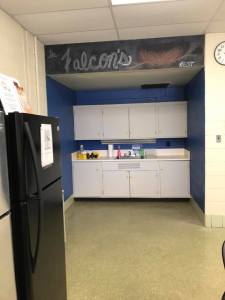 Over the week of PGCPS’s spring break, we went to work. We spent the first day cleaning. Everything from the chairs to the floors to the butcher paper, everything got a solid scrubbing. We spent days two and three painting the walls and cabinets, painting a chalk board sign for motivational quotes, and putting up vinyl decals to match our theme. The fourth day consisted of putting it all back together. Our Falcon blue and yellow teachers’ lounge now has a fun and spunky feeling with a quote that reads “Be the teacher who eats the last cupcake in the teachers’ lounge because we need teachers who are FEARLESS!” And the food service workers now have a room that makes it feel like spring has sprung!


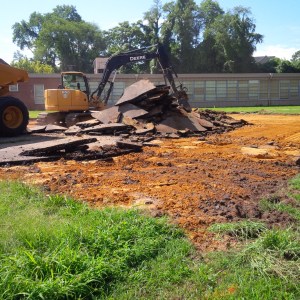
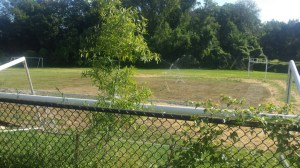 In the initial phase of the program, each school was given an individual plan, which included a customized package with pictures and concept designs, as well as a dialogue to help each school understand the purpose of the BMP devices. The retrofit needs for each school were pre-identified by the school’s students, faculty and maintenance staff, and customized to fit the unique needs of each facility. Since then, various types of BMPs, including bio-retention cells, sand filters and swales, to name a few, are now being installed by local workforce on the outdoor grounds of each location to capture and treat previously untreated stormwater runoff from the sites impervious surfaces.
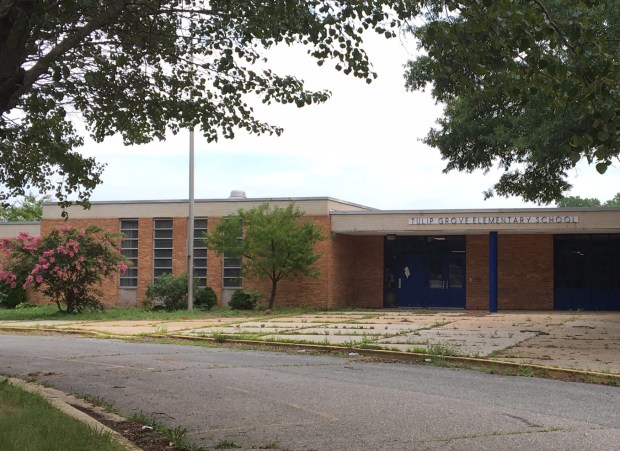 June 20th , 2016 was my daughter’s last day at
 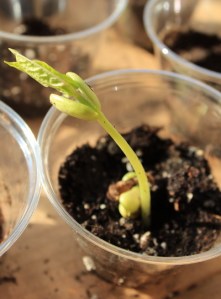 A few years ago parents of the PTA at our neighborhood elementary school started talking about adding some landscaping to the school grounds. The principal liked the idea of a pollinator garden in front of the school. There was also an abandoned courtyard garden that had been started with a grant by a teacher who was no longer at the school. We wondered if that could be revived.
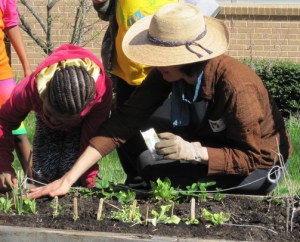 I started taking a small bucket and gloves to school every day and weeding during drop-off and pick-up for 10 minutes. This generated conversation, awareness, and new volunteers among the other parents. We asked for parents to bring in flowering perennials from their gardens to plant in the new bed. Some dads brought mulch in their trucks. We visited a few other schools that had gardens to learn about what they were doing.
 Prince George's County Advocates for Better Schools